
The Disadvantages of Making Real Estate a Priority for the Economy
In Pakistan, prioritizing real estate over productive sectors is fast becoming a serious economic challenge. Its adverse effects are not limited to the exorbitant rise in housing prices; agriculture and manufacturing—two pillars of the economy—are also bearing the brunt. The relentless escalation of land values and the conversion of fertile agricultural land into residential housing societies are destabilizing our economic fabric. This trend is not only draining our natural resources but also trapping capital that should have been channeled into productive industries—particularly manufacturing—into speculative, non-productive real estate.
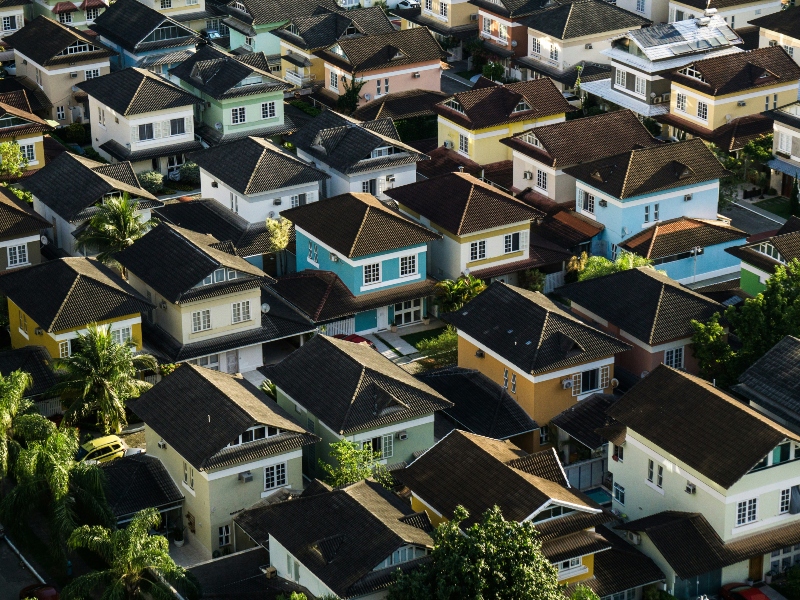
The surging real estate market has inflated property prices to such an extent that owning a decent home has become nearly impossible for the average citizen. The middle class is under immense strain, while for those near the poverty line, homeownership has turned into an unattainable dream. On the other hand, the continuous loss of agricultural land is compromising food production and giving rise to environmental degradation. Farmlands that once supplied grain, vegetables, and fruit are now being replaced by concrete jungles. This shift is making the country increasingly dependent on food imports, putting additional pressure on foreign exchange reserves.
This is not a problem unique to Pakistan. Japan’s experience serves as a cautionary tale: during the 1980s, an unprecedented real estate surge created a massive asset bubble. When that bubble burst, Japan’s economy plunged into a deep crisis, the repercussions of which were felt for decades. The excessive redirection of investment toward real estate came at the expense of manufacturing and other productive sectors, ultimately stunting Japan’s long-term economic growth. Similar outcomes have been observed in other countries where real estate was made the central pillar of the economy—the results were consistently detrimental.
Manufacturing and industry constitute the backbone of any robust economy. These sectors not only generate large-scale employment but also boost exports and strengthen foreign exchange reserves. Industrial growth drives technological innovation, cultivates a skilled workforce, and creates positive spillover effects across other sectors. If our capital were directed toward manufacturing, it would not only reinforce the macroeconomic structure but also bring tangible improvements to people’s livelihoods.
It is therefore imperative that we revisit our priorities and reduce our excessive dependence on real estate. We must protect our agricultural lands and actively promote the manufacturing sector to build a sustainable and resilient economic foundation. Otherwise, we may be sacrificing our future generations’ well-being for fleeting short-term gains—a price too heavy to pay.