Pakistan’s Electric Vehicle Market Faces Price and Infrastructure Barriers
Electric vehicles have moved far beyond the experimental stage, but their progress is no longer a simple story of rapid growth everywhere. Global EV sales will exceed 20 million in 2025, accounting for about one in four new cars sold. China remained the dominant market, while Europe accelerated strongly and Norway reached an extraordinary level of adoption. At the same time, the United States saw weak momentum and many emerging markets are still at an early stage.
China has become the center of the global EV industry. More than half of the new cars sold there were electric in 2025, helped by competitive prices, a huge domestic manufacturing base, extensive charging infrastructure and government support. Chinese manufacturers now account for a majority of global EV sales, and their expanding exports are bringing a much wider range of relatively affordable models to developing markets.
Europe has also moved ahead, although for different reasons. Strict emissions regulations and incentives have pushed manufacturers and consumers toward electric cars. Norway remains the strongest example, with battery-electric vehicles accounting for about 97% of new car sales in 2025. By contrast, the United States remains a much more mixed market, with EVs representing around 10% of annual car sales in 2025 and policy changes weakening demand toward the end of the year.
The global experience shows that EV adoption depends on much more than the technology itself. Prices, financing, charging availability, electricity costs, government policy, consumer confidence and the availability of suitable models all matter. Countries that have created an ecosystem around electric mobility have generally achieved stronger adoption than those that simply imported expensive electric cars.
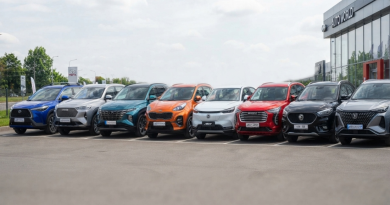
Pakistan illustrates this problem clearly. The country now has a much wider selection of EVs than it did only a few years ago. The market includes BYD models such as the Atto 3, Seal and newer Sealion range, Deepal S07 and L07, MG ZS EV, Kia EV5, Omoda E5, GUGO Box, ORA 03, Seres models, Aion V, XPeng models and several other Chinese brands. The arrival of BYD and Deepal in 2024 marked an important change because internationally established Chinese EV manufacturers began competing directly in the Pakistani passenger-car market.
Yet this expansion of choice has not produced mass adoption. The first and most obvious reason is price. Most full-electric passenger cars available in Pakistan remain expensive compared with popular petrol and hybrid alternatives. Even when an EV offers low running costs, the buyer must first absorb a much higher purchase price. In a market where household incomes and access to auto financing are under pressure, this is a major barrier.
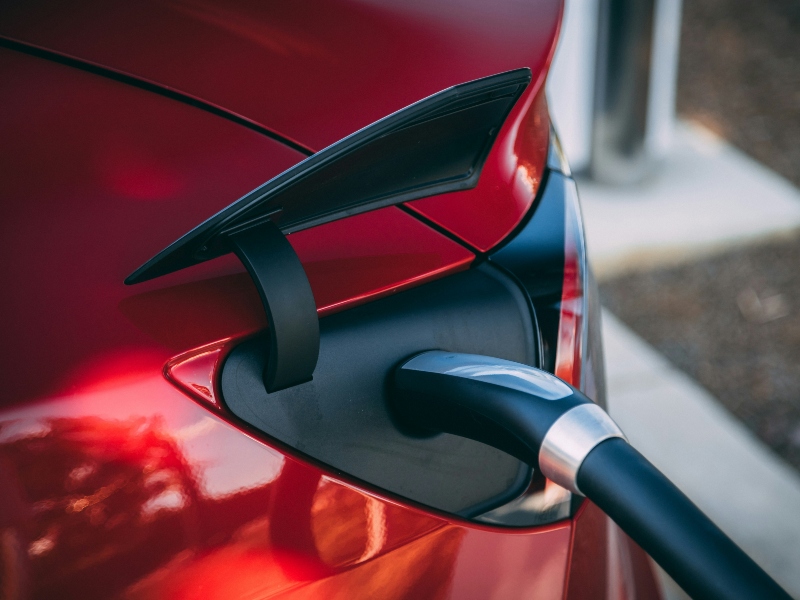
The second problem is charging infrastructure. A consumer buying an EV needs confidence that the car can be charged at home and that reliable fast charging is available on major routes. Pakistan is only beginning to build that network. The government’s New Energy Vehicles Policy 2025-30 recognizes the problem and plans for 3,000 charging stations by 2030. It also identifies high upfront costs, commercial charging tariffs and limited financing as important barriers to adoption.
Electricity itself presents another complication. Home charging can be economical, particularly for households with solar power, but Pakistan’s electricity tariffs and supply conditions make the economics less attractive for some consumers. For commercial charging operators, electricity pricing can also make investment less attractive. The result is a difficult cycle: consumers hesitate because charging stations are limited, while investors hesitate because the number of EV users remains small.
There is also a strong resale and after-sale concern. Pakistan’s car market has traditionally favored Toyota, Honda and Suzuki because buyers know their reliability, spare parts availability, mechanics and their resale values. EV buyers must consider battery degradation, software, specialized repairs and the future availability of replacement parts. Even if many modern EV batteries prove durable, uncertainty about long-term battery replacement costs can influence purchasing decisions.
Another important factor is the structure of Pakistan’s automotive market. The country has historically favored relatively small, affordable cars. The current wave of imported EVs, however, is concentrated heavily on premium sedans and SUVs. Models such as the BYD Atto 3, Seal, Deepal S07 and Kia EV5 offer advanced technology, but their prices place them in a relatively narrow segment of the market.
This does not mean Pakistan has missed the opportunity completely. Government figures show that the number of EVs had risen from only 567 in 2021 to more than 80,000 by June 2025, although this figure includes different vehicle categories. The new policy targets a 30% share of new vehicle sales for new energy vehicles by 2030 and places particular emphasis on two- and three-wheelers, local manufacturing, charging infrastructure and financing.
For Pakistan, the most realistic path may therefore be different from the European model. Electric motorcycles, rickshaws, buses and small urban vehicles could achieve wider adoption before expensive electric SUVs become mainstream. Local assembly, battery servicing, affordable financing and solar-powered charging could gradually reduce barriers.
The global EV transition is continuing, but Pakistan cannot simply copy China, Norway or Europe. The country needs affordable models, dependable charging, stable policies and a strong local supply chain. Until those conditions improve, electric cars will remain attractive to a relatively small group of affluent buyers rather than becoming a mass-market replacement for petrol and hybrid vehicles. Pakistan’s new EV policy provides a framework, but its success will ultimately depend on whether it can turn electric mobility from an expensive import into an affordable and dependable part of everyday transportation.