How Businesses in Pakistan Can Save With Commercial Solar
Commercial solar is becoming a practical option for businesses in Pakistan, particularly those that own their buildings and consume most of their electricity during daylight hours. For a factory, warehouse, office, clinic, school, retail outlet or workshop, the strongest financial case is not based on selling electricity to the grid. It comes from using solar power directly and reducing the amount of electricity purchased from the distribution company.
Pakistan’s rooftop solar market has changed significantly in 2026. The National Electric Power Regulatory Authority (NEPRA), which regulates the country’s electricity sector, introduced the Prosumer Regulations 2026 and moved new consumers from the previous net metering arrangement to net billing. Under the new system, electricity imported from the grid is billed at the applicable tariff, while electricity exported to the grid is purchased at the national average energy purchase price.
This makes self-consumption more important than ever. A business that generates solar electricity and immediately uses it avoids buying that unit from the grid at the applicable commercial tariff. If the same unit is exported, the financial credit can be substantially lower. NEPRA’s 2026 power purchase forecast puts the National Average Energy Purchase Price at Rs 8.13 per kWh, although the applicable rate and regulatory treatment can change.
The best candidates are businesses that operate mainly during the day. Offices, supermarkets, clinics, schools, workshops, warehouses and many manufacturing units can match their electricity consumption with solar production. Air conditioners, refrigeration, pumps, machinery and other daytime loads can use solar power directly, improving the economics of the system.
Ownership of the building also matters. A business that owns its premises can use the system for many years and recover the investment over a longer period. A tenant with a short lease may be less willing to make a large investment unless the landlord is involved or the lease provides enough security.
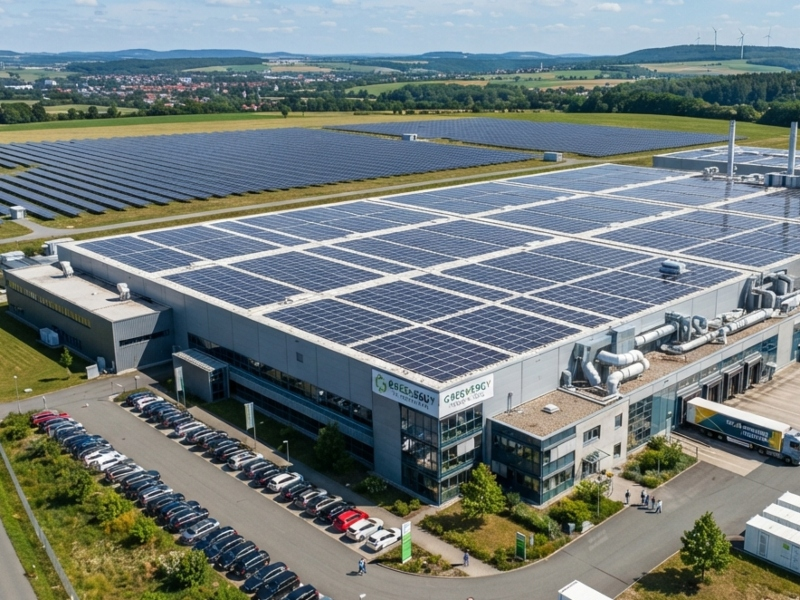
Roof space is another consideration. A large, unobstructed roof can accommodate a sizeable system, but the condition of the roof, structural strength, shading and electrical infrastructure should be checked before installation. A professional survey should also examine the business’s actual electricity consumption rather than simply recommending as many panels as will fit on the roof.
For businesses in Lahore and other parts of Punjab, the opportunity is particularly relevant. Punjab has a large industrial and commercial base, while the provincial Energy Department actively promotes renewable energy and energy efficiency. The department also lists solar development and distributed power generation among its areas of focus.
The calculation, however, should start with the electricity bill rather than the number of panels. A business should compare its current electricity cost with the expected output of a proposed solar system. The calculation should include the system price, inverter replacement assumptions, cleaning and maintenance, financing costs, expected solar generation and the percentage of generation that will actually be consumed on-site.
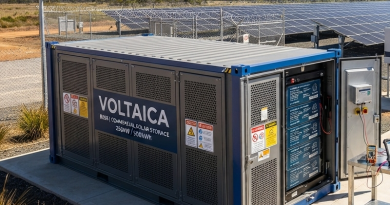
Batteries require a separate calculation. They can allow a business to use some daytime solar generation later in the evening, but they add significant upfront cost. For a business that operates mainly during the day, installing more battery capacity is not automatically better.
The 2026 regulatory changes also mean that businesses should not rely on older solar sales material that promises the same financial treatment for imported and exported electricity. Existing agreements may have different protections, while new prosumers are subject to the current regulations and subsequent amendments. NEPRA has continued to amend the Prosumer Regulations during 2026.
For a new commercial solar installation, the most sensible approach is therefore to design the system around the business’s daytime electricity demand. Solar can still make strong financial sense in Pakistan, but the business case is increasingly about replacing expensive grid electricity with power generated and consumed on the premises, rather than treating the roof as a small power plant selling electricity back to the grid.
For businesses considering installation, the first step should be a proper energy assessment using actual electricity bills and, where possible, hourly consumption data. The right system is the one that matches the business’s real electricity use, not simply the largest system that can fit on the roof.