
Attock Refinery and Pakistan’s Energy Sovereignty
For a developing country like Pakistan, the oil refining industry is not merely a business; it is the foundation of economic sovereignty. The process of converting crude oil into usable products not only meets energy needs but also saves valuable foreign exchange. A country without a strong refining capacity is forced to import expensive finished products, which widens the trade deficit and puts immense pressure on the economy. This is why developed nations continuously expand and modernize their refining capabilities, not only to meet domestic demand but also to generate revenue through exports.
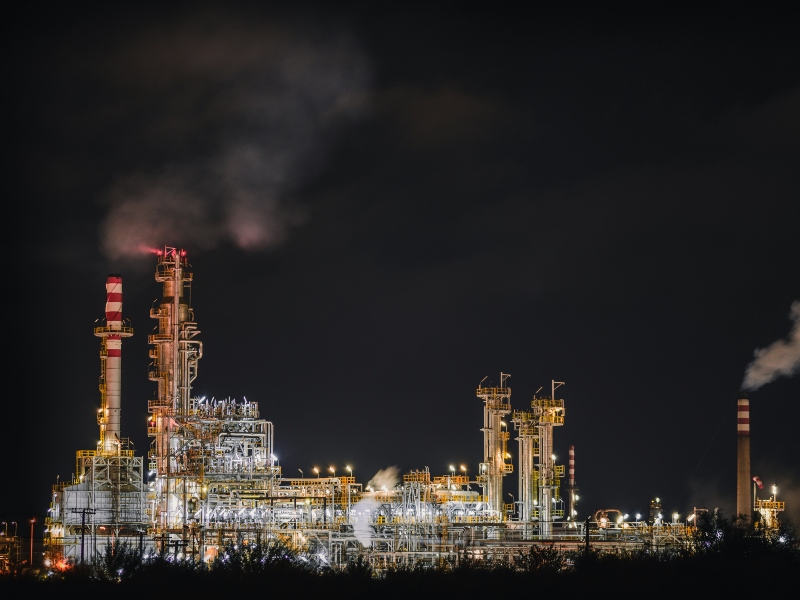
In this context, the role of Attock Refinery Limited (ARL) holds particular significance in Pakistan. Established before independence, in 1922, when oil exploration and production began in the Potohar region, this refinery near Rawalpindi is one of Pakistan’s oldest and has been contributing to the country’s energy needs for decades. Over the years, the facility has undergone expansions at various stages, but its core infrastructure still relies on outdated technology.
Attock Refinery produces a range of products, including petrol, high-speed diesel, kerosene, jet fuel, furnace oil, and LPG. Additionally, through its subsidiary marketing company, it operates a network of petrol pumps across the country, supplying fuel directly to consumers. Thus, the refinery plays a direct role not only at the industrial level but also in the daily lives of ordinary citizens. However, a significant portion of its output still consists of low-value products, particularly furnace oil, which has lost much of its relevance in today’s energy market.
This brings us to the core issue. Attock Refinery’s greatest weakness is its outdated refining technology, known as hydro-skimming. Under this system, crude oil cannot be fully converted into high-quality products, resulting in a large quantity of low-value furnace oil. Modern refineries, by contrast, use cracking and hydrocracker units to convert the same furnace oil into petrol, diesel, and petrochemicals. If Attock Refinery upgrades its technology, it could not only produce better-quality Euro-V petrol and diesel but also manufacture polypropylene, polyethylene, base oils, bitumen, solvents, waxes, and other chemicals for which there is huge demand in Pakistan and which are currently mostly imported.
The real need is for Attock Refinery to move beyond its traditional business boundaries and adopt a broader industrial vision. Merely upgrading the existing plant will not suffice; the company should also consider establishing new refineries in other parts of the country, particularly in coastal areas where crude oil imports could be facilitated more easily. There is a vast gap between Pakistan’s daily oil demand and local production, and the private sector must step forward to bridge it. If Attock Refinery invests in modern technology, enters the petrochemical sector, and diversifies its production, it can not only increase its own revenues but also significantly reduce the country’s import bill. At the same time, the government must provide policy stability, tax incentives, and a conducive environment for investment to enable such institutions to make bold decisions.
In the years ahead, the energy sector will no longer be confined to fuel alone; chemicals and value-added products will become its true centerpiece. If Attock Refinery understands this transformation in time and reinvents itself along modern lines, it will not only play a pivotal role in meeting Pakistan’s energy needs but could also emerge as a strong industrial player at the regional level.