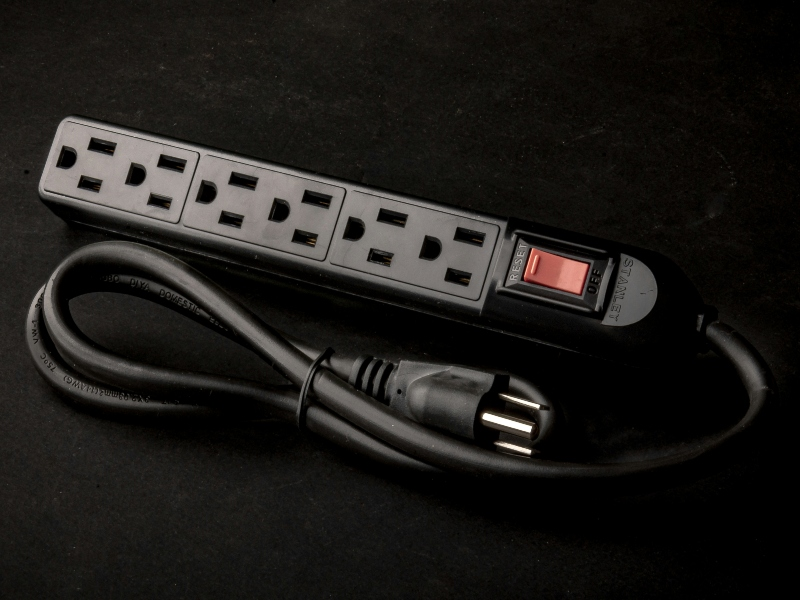
Why Cheap Extension Boards Can Be Dangerous for Your Home and Business?
Cheap extension boards are widely used in Pakistani homes, offices, shops and small businesses. They provide an easy way to connect televisions, computers, chargers, fans and other electrical equipment when wall sockets are limited. But a poorly made or overloaded extension board can turn a simple convenience into a serious electrical and fire hazard.
Pakistan’s National Electric Power Regulatory Authority (NEPRA) specifically warns consumers not to overload electrical switches, sockets, plugs and extension cords because overheating can lead to fire. Pakistan’s Building Code also says that multiplug adapters should be approved products with overcurrent protection and that extension cords should not be used as a substitute for permanent wiring.
The problem is not simply that an extension board is cheap. The real issue is whether its cable, plug, internal contacts, insulation and protection devices are properly designed for the electrical load.
What is inside the board matters: A low-cost extension board may use undersized conductors or poor-quality internal contacts. Copper-clad aluminum and other lower-cost materials can be found in some inexpensive electrical products, although consumers should not assume that every cheap board uses them.
A conductor with excessive resistance produces heat when current passes through it. The higher the load, the greater the heating effect. Poor internal connections can create another problem. A loose connection may produce arcing, which can generate enough heat to damage the socket, plug or surrounding plastic.
This is particularly dangerous when an extension board is hidden behind furniture, placed under a carpet or used continuously for heavy loads.
The danger increases with high-power appliances: A television, laptop charger or Wi-Fi router normally places a relatively modest load on an extension board. An electric heater, iron, kettle, microwave, air conditioner or other high-power appliance is different.
Pakistan’s Building Code states that the ampacity, or current-carrying capacity, of an extension cord should not be lower than the rated capacity of the appliance it supplies. It also says extension cords should be maintained without damage or splices and should be grounded when supplying grounded appliances.
This is why a multi-socket board should not be treated as a way to turn one ordinary wall socket into a permanent power distribution system.
Voltage drop is another concern: Every cable has electrical resistance. A long or undersized cable can cause voltage to fall between the wall outlet and the appliance. This can be particularly troublesome for equipment with motors, compressors and sensitive electronics. It does not mean that every appliance will automatically consume more electricity, as the original claim suggests. The more immediate concern is excessive cable heating, poor performance and possible stress on equipment.
For sensitive electronics, surge protection can also be useful. A surge is a brief increase in voltage that can damage electronic components. A proper surge protector uses components such as metal oxide varistors, commonly called MOVs, to divert or absorb excess energy. However, a basic extension board is not necessarily a surge protector, and a surge protector does not solve an overloaded circuit or protect against every form of poor-quality electricity supply.
Look for proper protection: A good extension board should clearly state its electrical rating and should come from a reputable manufacturer and seller. Depending on the product, useful features can include overload protection, a resettable circuit breaker, surge protection, proper grounding and durable insulation.
In Pakistan, buyers can consider established electrical and power-protection brands such as Schneider Electric, APC, Belkin and Legrand. Specific products should be checked carefully for the correct voltage, plug configuration and current rating because some imported models are designed for markets with different electrical standards.
For example, APC’s Essential SurgeArrest range includes 230V models sold in Pakistan, while Belkin has several surge-protected power strips and extension products. Belkin’s official documentation lists models such as the BE106000-06R six-outlet Home/Office Surge Protector. Schneider Electric also has an established presence in Pakistan and supplies electrical protection equipment through authorized partners.
Do not judge quality by the number of sockets: A board with eight or 10 sockets is not automatically capable of handling eight or 10 high-powered appliances. The important figure is the maximum current or power rating of the complete unit.
For a Pakistani home, office or commercial premises, the safer approach is to use extension boards mainly for suitable portable equipment and avoid using them as permanent wiring. Never connect one extension board into another. Do not run cables under carpets, through doors or where they can be crushed or damaged. These practices are also specifically discouraged by electrical safety authorities.
Watch for warning signs: Stop using an extension board if it becomes unusually hot, smells of burning plastic, produces sparks or crackling sounds, has loose sockets, shows discoloration or melting, or has a damaged cable. NEPRA advises replacing defective wiring, switches, sockets, plugs and wires immediately.
The commercial risk can be even greater. In an office, shop, restaurant, workshop or small factory, an overloaded extension board can affect computers, printers, refrigerators, POS systems, networking equipment and other expensive assets. More importantly, an electrical fire can damage inventory, interrupt operations and put employees and customers at risk.
For homes in Lahore, Islamabad, Rawalpindi and other Pakistani cities, spending a little more on a properly rated extension board is a small cost compared with replacing an appliance, repairing electrical wiring or dealing with a fire. If a room regularly needs multiple extension boards, the better long-term solution is to have additional properly wired sockets installed by a qualified electrician.
An extension board should provide convenience, not become the weakest point in the electrical system. The cheapest option is rarely the right choice when electricity, expensive equipment and fire safety are involved.