
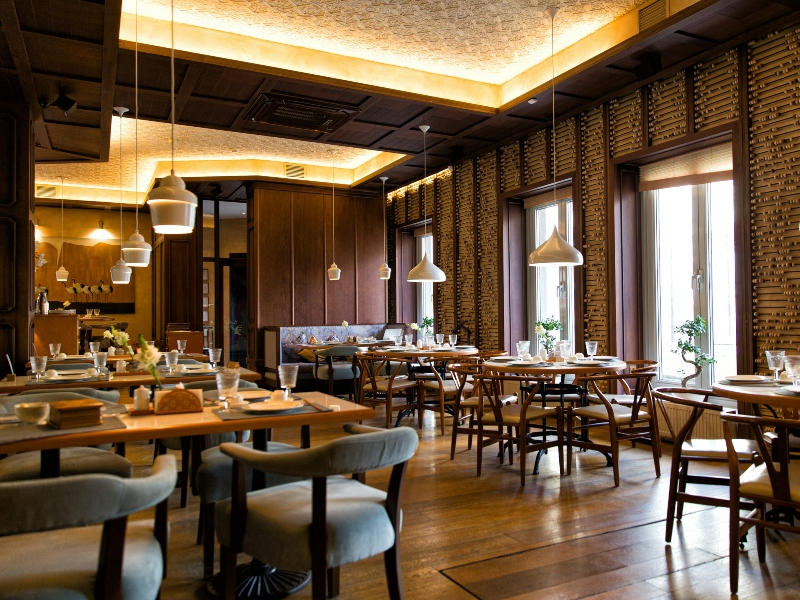
Food Franchise vs Independent Restaurant
Starting a restaurant in Pakistan involves much more than finding a good location and creating a menu. One of the first decisions is whether to invest in an established food franchise or build an independent restaurant from scratch. Both models can work, but they require different levels of capital, management ability, risk tolerance and involvement from the owner.
A franchise gives the investor access to an established brand, operating procedures, training and, depending on the agreement, marketing and supply-chain support. In return, the franchisee normally pays an upfront fee and continuing royalty or other charges. Pakistan has a substantial franchise market, with international brands such as KFC, McDonald’s, Subway, Domino’s, Hardee’s and others operating through franchise or similar arrangements.
The biggest attraction of a franchise is the brand. A customer in Lahore, Islamabad or Karachi may already know what to expect from an established chain. This can reduce the time and money needed to create brand awareness compared with a completely new restaurant. A franchise can also provide standardized recipes, staff training, store design, procurement systems and operating procedures.
For someone entering the food business for the first time, this structure can be valuable. The franchisor has already developed many of the systems that an independent owner would have to create. However, the level of support varies considerably between brands, so investors should examine the actual franchise agreement rather than relying on promotional material.
The cost is the other side of the equation. A franchise may involve an initial franchise fee, construction and equipment costs, inventory, deposits and working capital. The franchisee may also have to pay royalties and advertising or marketing contributions. For foreign franchises, Pakistan’s current foreign-exchange rules also govern certain payments to overseas franchisors. In December 2025, the State Bank of Pakistan revised the framework for royalty, franchise and technical-service payments, including a new-operations cap of up to $250,000 and recurring payments of up to 8% of net local sales under specified conditions.
These costs can materially affect the economics of a restaurant. A business that looks profitable before franchise payments may produce a very different return after royalties, marketing charges, rent, salaries, utilities, taxes, delivery commissions and food costs are included.
An independent restaurant offers almost the opposite model. The owner controls the name, menu, pricing, suppliers, design, customer experience and marketing strategy. A successful concept can eventually become a valuable local brand and may later expand into multiple outlets or even develop its own franchise system.
The disadvantage is that everything has to be developed by the owner. This includes recipes, kitchen systems, purchasing, staff training, accounting, marketing and quality control. There is also no established customer base. In a competitive market such as Lahore, a restaurant can spend heavily on rent and interiors without generating enough repeat business.
Location is particularly important in Pakistan. A franchise in a high-traffic commercial area may benefit from brand recognition, but high rent can still destroy margins. An independent restaurant may have more flexibility to choose a less expensive location if its concept depends on delivery, takeaway or a destination-style customer base. The decision should therefore be based on the expected sales potential of the specific site, not simply on the popularity of the brand.
Food safety and licensing also need to be included in the business plan. In Punjab, restaurants and other food businesses fall under the Punjab Food Authority’s licensing system. The authority lists documents such as the applicant’s image, CNIC and business image for a license application. Other provinces have their own food authorities and requirements.
Pakistan offers a range of franchise choices, from large international chains to established local brands. Examples include KFC, McDonald’s, Subway and Domino’s, while local concepts such as Chaaye Khana and Tau’s have also developed franchise opportunities. Publicly listed franchise information shows that fees and royalty structures can vary widely between brands, so investors should obtain the latest official commercial terms directly from the franchisor before making any commitment.
For an investor considering a franchise, the important questions are not simply how famous the brand is. Ask about the total investment, franchise and royalty fees, contract period, territory protection, renewal terms, supplier restrictions, minimum purchasing requirements, training, marketing obligations and what happens if the outlet does not perform.
An independent restaurant requires the same financial discipline. Before opening, the owner should prepare a realistic monthly cash-flow forecast covering rent, salaries, utilities, food and packaging, delivery platforms, maintenance, taxes and working capital. It is also wise to calculate how many meals or orders must be sold each day to cover fixed costs.
Pakistan’s market also has a serious problem with imitation businesses and unauthorized use of established brand names. Investors should verify that a franchise offer comes directly from the brand or its authorized representative and should never pay a franchise fee without reviewing the formal agreement and ownership of the brand rights.
The choice therefore depends on what the investor is buying. A franchise is primarily buying a system and an established brand, while an independent restaurant is building its own brand and operating system. Neither removes the fundamental risks of food service.
For an entrepreneur who values independence and has the experience to manage food operations, an original concept can create greater control and potentially build an asset in the owner’s own name. For an investor who values established systems and is willing to operate within another company’s rules, a well-researched franchise may provide a more structured entry into the market.
In either case, the restaurant should be treated as a financial business first and a food concept second. A famous name cannot compensate for an expensive location, poor cost control or weak management, while a small independent restaurant can succeed if its concept, pricing, location and operations fit the market.