
Istanbul Travel in 2026 – Costs Flights and Travel Tips
Istanbul remains one of Turkey’s most popular destinations, but traveling there in 2026 requires more financial planning and attention to regional developments than in previous years. The Iran conflict has disrupted travel across the region, while Turkey’s persistent inflation has raised the cost of hotels, food and transportation. For visitors, the city’s historic attractions and cultural appeal remain strong, but the economics of a trip have changed considerably.
The regional conflict has affected Turkey’s tourism industry, particularly through uncertainty about flights and international bookings. In March, new reservations reportedly fell sharply, while many existing bookings were canceled as travelers reconsidered trips to the region. The concern has been less about Istanbul itself and more about possible flight disruptions, changing travel plans and uncertainty about regional airspace.
For travelers who decide to visit, weaker demand will have one clear advantage: better hotel deals. Some Turkish hotels have reduced prices or introduced promotions to maintain occupancy as international demand fluctuates. Flexible travelers may therefore find attractive rates, particularly outside of the busiest periods.
That does not mean Istanbul has returned to its old reputation as a cheap destination. Hotel discounts are largely a response to weaker demand, while the underlying cost of operating hotels, restaurants and other tourism businesses remains high.
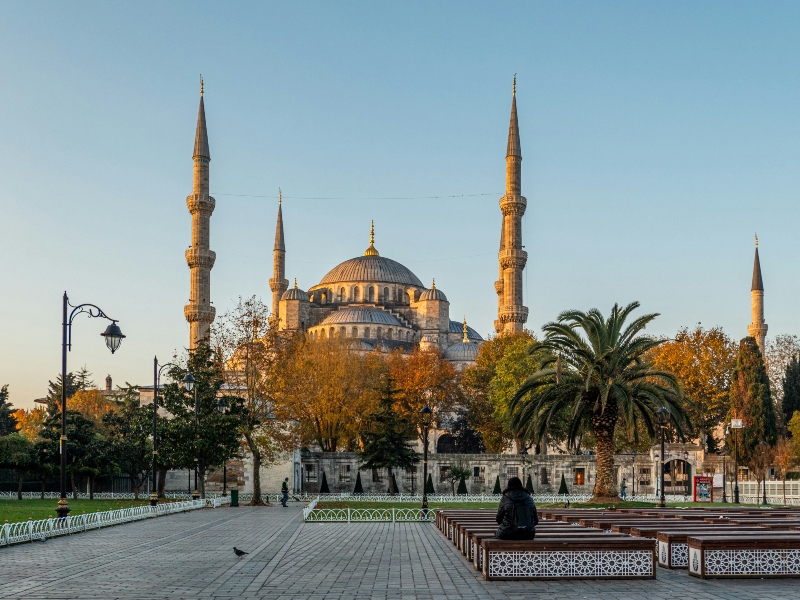
The city’s main attractions remain a major reason to visit. Hagia Sophia, the Blue Mosque, the Grand Bazaar and the Bosphorus continue to offer the historical and cultural experiences that have made Istanbul a global tourism destination. If visitor numbers are lower during certain periods, travelers may also find it easier to explore popular attractions without the crowds associated with peak seasons.
The biggest challenge for budget-conscious visitors is inflation. Turkey’s official statistics agency reported annual consumer inflation of 32.61% in May 2026. Food prices were up 34.86% year-on-year, while transportation prices increased by 34.29%. Accommodation and food services also recorded substantial annual price increases. These figures show why Istanbul can no longer be approached with the same budget expectations that applied several years ago.
For foreign visitors, exchange rates can make the situation more complicated. A weaker Turkish lira can make some expenses appear affordable when converted into foreign currency, but rapid price increases can offset that advantage. Travelers should therefore check current hotel, restaurant and transportation prices rather than relying on older travel guides or previous experiences.
The regional conflict has also created uncertainty around international travel to Turkey. On March 4, Turkish authorities said NATO air defenses intercepted a ballistic missile launched from Iran as it approached Turkish airspace. Although Istanbul is not a conflict zone, incidents such as this demonstrate how events elsewhere in the region can affect international aviation and travel plans.
This makes flexibility particularly valuable in 2026. Travelers should consider flights and hotels that allow change or cancellation, and should monitor airline announcements before departure. Travel insurance can also be useful, but travelers should read the policy carefully because coverage for cancellations or disruptions related to regional conflicts can vary.
The current environment also affects Istanbul’s tourism businesses. Hotels, restaurants, tour operators and retailers depend heavily on international visitors, so changes in bookings and spending can have a wider economic effect. Lower prices may help attract visitors, but businesses still face higher labor, food, energy and operating costs.
For travelers, this creates an unusual situation. Istanbul can offer good hotel bargains while everyday expenses are considerably higher than they once were. A visitor who plans carefully may therefore find good value, but someone expecting Istanbul to be the inexpensive European destination it was several years ago could be disappointed.
Istanbul in 2026 is still a compelling destination, but it is no longer a place where travelers can assume that low prices will be part of the experience. The city’s culture, architecture, food and location remain unchanged, while the financial and regional environment has become more complicated.
For those willing to plan around changing prices and possible travel disruptions, Istanbul can still be a rewarding trip. The best approach in 2026 is to budget realistically, compare accommodation carefully, choose flexible bookings and keep an eye on regional travel developments before setting out.