Almaty Strengthens Its Position as Central Asia’s Hospitality Hub
Almaty is strengthening its position as Central Asia’s most developed hospitality market, supported by rising tourist numbers, strong hotel occupancy and growing demand for quality accommodation. For investors, the city’s performance is making hotels, serviced apartments and other hospitality businesses increasingly attractive.
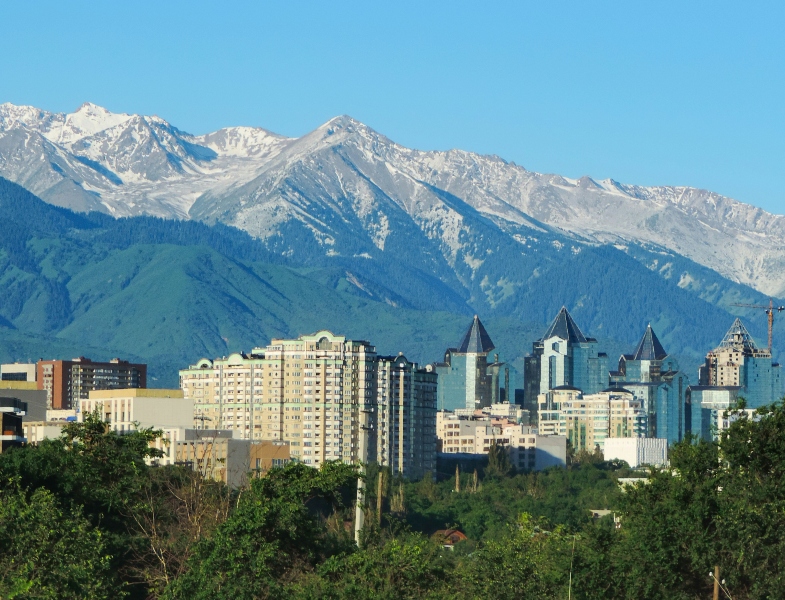
Almaty, Kazakhstan’s largest city and a major commercial centre, has become an important gateway for business and leisure travel in Central Asia. Its location near the Alatau Mountains, expanding air connectivity and growing international visitor base have helped support the development of its tourism industry.
A recent Central Asia luxury hotel market report puts average occupancy at internationally branded hotels in Almaty at 69.5% in 2024, the highest level recorded for the market. The report also found that internationally branded luxury and ultra-luxury five-star hotels achieved average daily room rates, or ADR, of about $180 to $400 during the first nine months of 2025. ADR is simply the average amount a hotel receives for each occupied room night.
Tourism demand is also expanding. Almaty received about 1.87 million visitors during the first nine months of 2025, including more than 563,000 international tourists, according to the city’s investment attraction centre. China, India, Russia and Turkey were among the leading foreign source markets. Business and professional travel accounted for 36.6% of visits, showing that the city is not dependent only on holiday tourism.
The city’s hotel supply, however, is still developing. Almaty Invest reported about 12,340 hotel rooms in the first nine months of 2025, while a separate hospitality market report estimated that international chains accounted for around 2,567 rooms, including only 659 luxury chain rooms. This suggests that branded and high-end accommodation remains relatively limited compared with demand.
The opportunity is already attracting new investment. According to Almaty’s regional communications service, 48 tourism facilities opened through private investment in 2025, adding 941 rooms. As of April 2026, the city had 70 hotel projects under development, representing 7,763 planned rooms. Several international brands, including Hilton, Sheraton, Radisson and Marriott, are also expected to expand their presence in the city.
For investors, the opportunity goes beyond conventional five-star hotels. The shortage of branded accommodation creates room for boutique hotels, serviced apartments and professionally managed smaller properties. Business travellers may also support demand for accommodation that offers longer stays, work facilities and convenient locations.
The wider Central Asian market presents another opportunity. While Almaty already has a relatively mature hospitality sector, some neighbouring markets, particularly Kyrgyzstan and Tajikistan, have fewer international luxury hotel brands. This leaves space for investors and hotel operators willing to enter markets where tourism infrastructure is still developing.
Almaty is therefore becoming an important hospitality investment destination in Central Asia. Its strong hotel performance, growing international tourism and expanding pipeline of new projects point to continued demand. The main challenge will be ensuring that new supply is matched with the right locations, service standards and target customers. For investors who understand these differences, the city offers one of the region’s more promising hospitality markets.