
پاکستان میں شمسی توانائی کا خاموش انقلاب
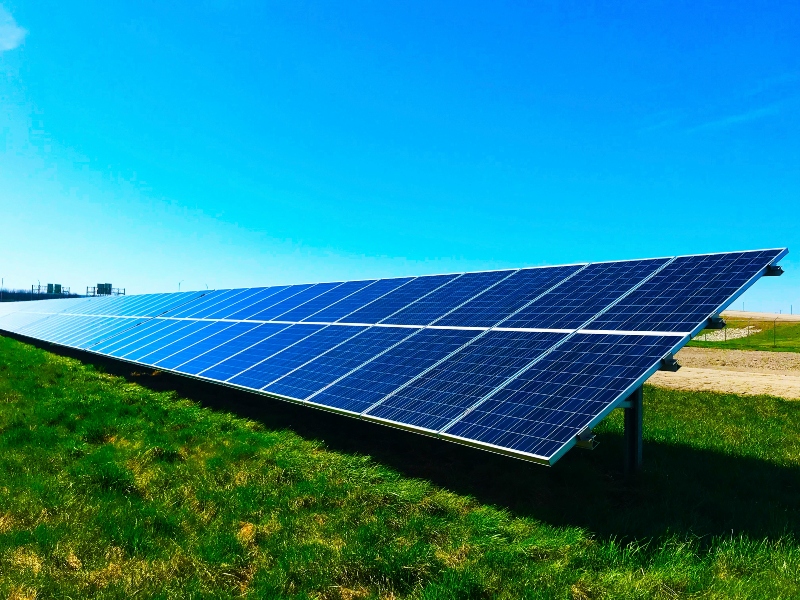
پاکستان میں توانائی کے بحران کی طویل تاریخ رہی ہے، جہاں بجلی کی قلت نے صنعت، تجارت اور روزمرہ زندگی کو بری طرح متاثر کیا۔ تاہم گزشتہ چند برسوں میں ایک ایسی تبدیلی سامنے آئی ہے جس نے اس بحران کو بڑی حد تک کم کرنے میں اہم کردار ادا کیا ہے، اور وہ ہے شمسی توانائی کا تیزی سے فروغ۔ اندازوں کے مطابق پاکستان میں گھروں کی چھتوں، تجارتی عمارتوں، کارخانوں اور محدود سرکاری منصوبوں کو ملا کر شمسی بجلی کی مجموعی پیداوار تقریباً پچیس ہزار سے تینتیس ہزار میگاواٹ تک پہنچ چکی ہے۔ یہ ایک غیر معمولی پیش رفت ہے جس نے ملک کے توانائی منظرنامے کو بدل کر رکھ دیا ہے۔
دلچسپ بات یہ ہے کہ پاکستان کا شمسی انقلاب حکومتی منصوبہ بندی کے بجائے زیادہ تر عوامی سطح پر پروان چڑھا ہے۔ جہاں چین، بھارت اور برازیل جیسے ممالک میں بڑے بڑے شمسی پارک سرکاری سرپرستی میں قائم کیے گئے، وہیں پاکستان میں عام شہری، دکاندار اور صنعتکار خود سرمایہ لگا کر اپنی بجلی پیدا کر رہے ہیں۔ عالمی ادارہ بلومبرگ بھی اس رجحان کو سراہ چکا ہے اور اسے ایک منفرد مثال قرار دیا ہے جہاں ایک ترقی پذیر ملک میں توانائی کا مسئلہ عوام نے خود حل کرنے کی کوشش کی ہے۔
یہ شمسی نظام نہ صرف لوڈشیڈنگ میں کمی کا باعث بنا بلکہ مہنگی درآمدی ایندھن پر انحصار بھی کم ہوا۔ خاص طور پر دن کے اوقات میں بجلی کی طلب میں نمایاں کمی آئی ہے جس سے قومی گرڈ پر دباؤ کم ہوا ہے۔ اگر اس رجحان کو مزید فروغ دیا جائے تو پاکستان دو بڑے متنازع معاملات سے بھی بچ سکتا ہے۔ ایک وہ معاہدہ جس کے تحت قطر سے مائع قدرتی گیس کی ایک مقررہ مقدار ہر سال خریدنا لازم ہے، خواہ ضرورت ہو یا نہ ہو، اور اضافی گیس کو نقصان پر فروخت کرنا پڑتا ہے۔ دوسرا مسئلہ بجلی گھروں کو دی جانے والی استعداد ادائیگیاں ہیں، جن کے تحت نجی پاور پلانٹس کو بجلی پیدا نہ کرنے کے باوجود ادائیگیاں کی جاتی ہیں، جس نے پاکستان میں بجلی کو دنیا کے مہنگے ترین نرخوں میں شامل کر دیا ہے۔
اگر حکومت سنجیدگی سے پالیسی بنائے اور صاحب حیثیت گھروں اور تمام تجارتی عمارتوں میں شمسی نظام کی تنصیب کو لازمی قرار دے دے تو پاکستان اپنی بجلی کی ضروریات میں بڑی حد تک خود کفیل ہو سکتا ہے۔ اس کے ساتھ ساتھ کم آمدنی والے طبقے اور دور دراز علاقوں کے لیے سبسڈی اور آسان قرضوں کا نظام متعارف کرایا جائے تو توانائی کی مساوی تقسیم بھی ممکن ہو سکتی ہے۔ مزید برآں اگر ریل کے نظام کو بجلی پر منتقل کیا جائے اور برقی بسوں، موٹر سائیکلوں، رکشوں اور گاڑیوں کو فروغ دیا جائے تو نہ صرف ایندھن کی درآمد کم ہوگی بلکہ بجلی کی طلب کو بھی زیادہ مؤثر طریقے سے استعمال کیا جا سکے گا، جس سے مجموعی لاگت میں کمی آئے گی۔
دنیا میں ایسے کئی ممالک ہیں جو اپنی توانائی کی ضروریات بڑی حد تک مقامی وسائل سے پوری کر رہے ہیں، جیسے ناروے جو زیادہ تر پن بجلی پر انحصار کرتا ہے، اور آئس لینڈ جو ارضی حرارت اور پن بجلی کے ذریعے تقریباً مکمل خود کفیل ہے۔ اسی طرح ڈنمارک نے ہوا سے توانائی پیدا کرنے میں نمایاں کامیابی حاصل کی ہے۔ یہ مثالیں ظاہر کرتی ہیں کہ درست پالیسی اور مستقل مزاجی کے ذریعے توانائی میں خود انحصاری حاصل کی جا سکتی ہے۔
بدقسمتی سے پاکستان میں بعض پالیسی فیصلے شمسی توانائی کے فروغ کی راہ میں رکاوٹ بن رہے ہیں۔ ایک طرف نجی بجلی گھروں کو ادائیگیوں کا بوجھ ہے، اور دوسری طرف بین الاقوامی مالیاتی ادارہ آئی ایم ایف کی شرائط بھی توانائی کے شعبے میں مخصوص ڈھانچے کو برقرار رکھنے پر زور دیتی ہیں۔ نتیجتاً ایسا محسوس ہوتا ہے کہ شمسی توانائی کی حوصلہ افزائی کے بجائے اسے محدود کرنے کی کوشش کی جا رہی ہے، کیونکہ اگر زیادہ لوگ قومی گرڈ سے باہر ہو جائیں تو موجودہ مالیاتی نظام پر دباؤ بڑھ جائے گا۔
لیکن حقیقت یہ ہے کہ حالیہ خلیجی کشیدگی اور عالمی توانائی بحران کے تناظر میں پاکستان کے لیے یہی راستہ سب سے زیادہ محفوظ اور مؤثر ہے۔ شمسی توانائی نہ صرف سستی ہے بلکہ مقامی بھی ہے، اور اس سے ملک کو بیرونی دباؤ سے آزادی مل سکتی ہے۔ ضرورت اس امر کی ہے کہ حکومت اور پالیسی ساز اس حقیقت کو تسلیم کریں اور شمسی توانائی کو پوری قوت کے ساتھ فروغ دیں۔ اگر ایسا کیا گیا تو پاکستان نہ صرف توانائی کے بحران سے مستقل نجات حاصل کر سکتا ہے بلکہ خطے میں سستی اور پائیدار بجلی فراہم کرنے والا ایک مضبوط ملک بھی بن سکتا ہے۔