
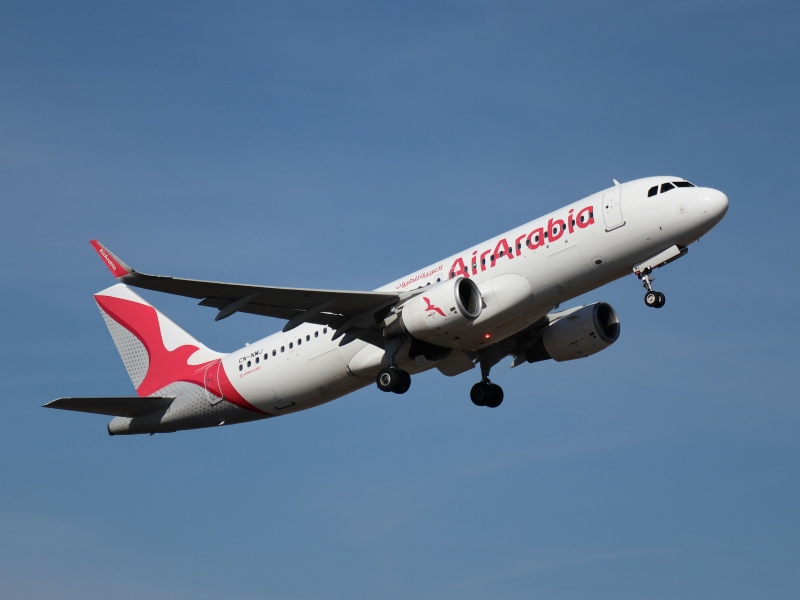
Air Arabia Expands Eurasian Network With New Russia Routes
Air Arabia, the UAE’s largest low-cost airline, is expanding its network across Russia, Central Asia, South Asia and Europe. The Sharjah-based airline, established in 2003, was one of the pioneers of low-cost air travel in the Middle East and North Africa. Its model is based on offering lower fares while charging separately for some services, making it different from full-service airlines such as Emirates and Etihad.
The airline is adding more connections to Eurasian markets, including the planned resumption of flights to Yekaterinburg and Ufa in Russia from September. Air Arabia already serves destinations across Russia, Central Asia, the Middle East and South Asia, including Kazakhstan, Uzbekistan and Pakistan. Its expanding network gives passengers more options for travelling between the Gulf and these markets.
The expansion comes despite a difficult year for the airline. Air Arabia reported a net profit of AED 374 million for the first half of 2026, down 51 percent from the same period last year. Revenue fell only 1 percent to AED 3.48 billion, while passenger numbers declined 14 percent to more than 8.7 million. The company said regional conflict, reduced flight capacity and higher fuel costs affected its performance.
Despite the decline in profits, Air Arabia is not facing a financial crisis. It remains profitable and continues to expand its network. The airline is also preparing to launch daily flights between Sharjah and Frankfurt in December, adding another major European business destination to its network.
For travelers from Pakistan, Central Asia and the Gulf, the expansion could mean more choices for reaching destinations across Eurasia. For businesses, better air connections can support tourism, trade and movement of workers between these increasingly connected markets.
Air Arabia’s strategy shows how low-cost airlines are becoming important links between regions that were traditionally served mainly by full-service carriers. Its current expansion suggests that, despite the pressures facing the aviation industry, the airline sees continued demand for affordable travel between the Gulf, Asia and Europe.