
Electric Vehicle Market Faces Price and Infrastructure Barriers
Electric vehicles have moved far beyond the experimental stage, but their progress is no longer a simple story of rapid growth everywhere. Global EV sales are expected to exceed 20 million in 2025, accounting for about one in four new cars sold. China remains the dominant market, while Europe has also achieved strong adoption. At the same time, the United States has seen weaker momentum, and many emerging markets are still at an early stage.
China has become the center of the global EV industry. More than half of new cars sold there are now electric, helped by competitive prices, a huge domestic manufacturing base, extensive charging infrastructure and years of government support. Chinese manufacturers account for a large share of global EV sales, and their growing exports are bringing a wider range of relatively affordable electric cars to developing markets across Asia, the Middle East, Africa and Latin America.
Europe has also moved ahead, although for different reasons. Strict emissions regulations, incentives and investment in charging infrastructure have encouraged manufacturers and consumers to move toward electric cars. Norway remains the strongest example, with battery-electric vehicles accounting for about 97% of new car sales in 2025. Other European markets have also expanded their EV share, although adoption varies considerably between countries.
The United States remains a much more mixed market. EVs account for a significantly smaller share of new vehicle sales than in China or several European markets, while changes in incentives and consumer demand have created uncertainty for manufacturers. The American experience shows that even a large and technologically advanced automotive market can move at a different pace from other major regions.
The experience across these markets shows that EV adoption depends on much more than the technology itself. Prices, financing, charging availability, electricity costs, government policy, consumer confidence and the availability of suitable models all matter. Countries that have developed an ecosystem around electric mobility have generally achieved stronger adoption than those that simply import expensive electric cars.
Emerging Asian markets are now becoming an important part of this next phase. Southeast Asian countries such as Thailand, Indonesia and Malaysia are attracting investment from Chinese and other international EV manufacturers. Local production, tax incentives and growing consumer interest are helping these markets develop their own electric vehicle industries.
Thailand, in particular, has positioned itself as a regional EV manufacturing center, attracting companies such as BYD, Great Wall Motor and SAIC Motor. Indonesia is also seeking to build an EV supply chain around its large nickel reserves, which are important for several types of lithium-ion batteries. Malaysia, meanwhile, has been expanding its EV ecosystem through incentives, charging infrastructure and investment from international manufacturers.
The Middle East presents a different picture. Countries such as the United Arab Emirates and Saudi Arabia have the financial resources to invest heavily in charging networks and new mobility technologies, but relatively low fuel prices can reduce the immediate financial incentive for consumers to switch from conventional vehicles. Nevertheless, government sustainability programs, growing availability of Chinese EVs and investment in infrastructure are gradually expanding the market.
South Asia is also at an earlier stage of the transition. India has a much larger electric two-wheeler and three-wheeler market than its passenger EV market, demonstrating that electrification does not have to begin with expensive electric cars. Lower-cost motorcycles, scooters, rickshaws and commercial vehicles can provide a more accessible entry point in markets where household incomes are lower and urban transportation is heavily dependent on two- and three-wheelers.
This is an important lesson for emerging markets. The European path, centered largely on passenger cars, may not be suitable everywhere. Electric buses, delivery vehicles, motorcycles, scooters, rickshaws and compact urban cars can sometimes offer greater potential for early adoption because they travel predictable routes and can be charged at depots or homes.
Price remains one of the biggest barriers. Although Chinese manufacturers have significantly expanded the range of affordable EVs, imported electric vehicles can still be expensive in emerging markets because of duties, taxes, shipping costs, financing conditions and limited local production. Local assembly can eventually reduce some of these costs while creating jobs and supporting a domestic supply chain.
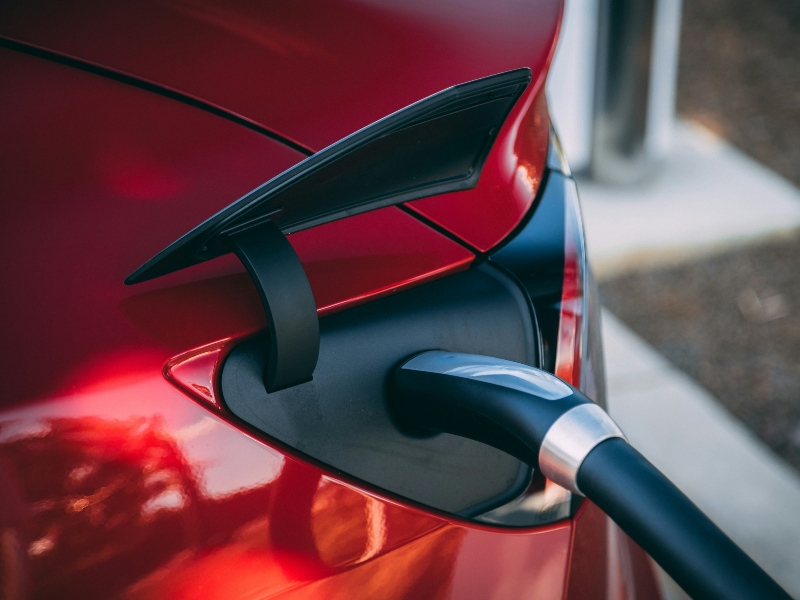
Charging infrastructure is another major challenge. Consumers need confidence that they can charge at home and find reliable fast chargers when traveling between cities. Investors, however, need enough EVs on the road to make charging stations commercially viable. This creates a familiar cycle: limited infrastructure discourages buyers, while limited demand discourages infrastructure investment.
After-sales service is equally important. Buyers need access to trained technicians, spare parts and battery diagnostics. Concerns about battery degradation and the long-term cost of replacement can also influence purchasing decisions, particularly in markets where established petrol and hybrid vehicles have strong resale networks.
The global EV transition is therefore likely to remain uneven. China and parts of Europe have already reached high levels of adoption, while Southeast Asia, the Middle East and South Asia are developing their markets around different economic and transportation needs.
For emerging markets, the most practical route may be a combination of affordable electric vehicles, local assembly, dependable charging networks, financing and strong after-sales support. Electric motorcycles, buses, commercial vehicles and compact cars could become important before expensive electric SUVs reach the mass market.
The electric vehicle industry is no longer defined simply by whether consumers want electric cars. The larger issue is whether individual markets can build an affordable and reliable ecosystem around them. Countries that match vehicle prices and infrastructure with local incomes and transportation patterns will have a better foundation for sustained EV adoption than those relying mainly on imported premium models.